AI can make your company faster at building the wrong things.
As software becomes cheaper and faster to create, more features, markets and internal projects can look viable. Each additional goal introduces trade-offs, edge cases and conflicts. For founders managing growth, the challenge is deciding which goal should govern the next stage and which plans should stop.
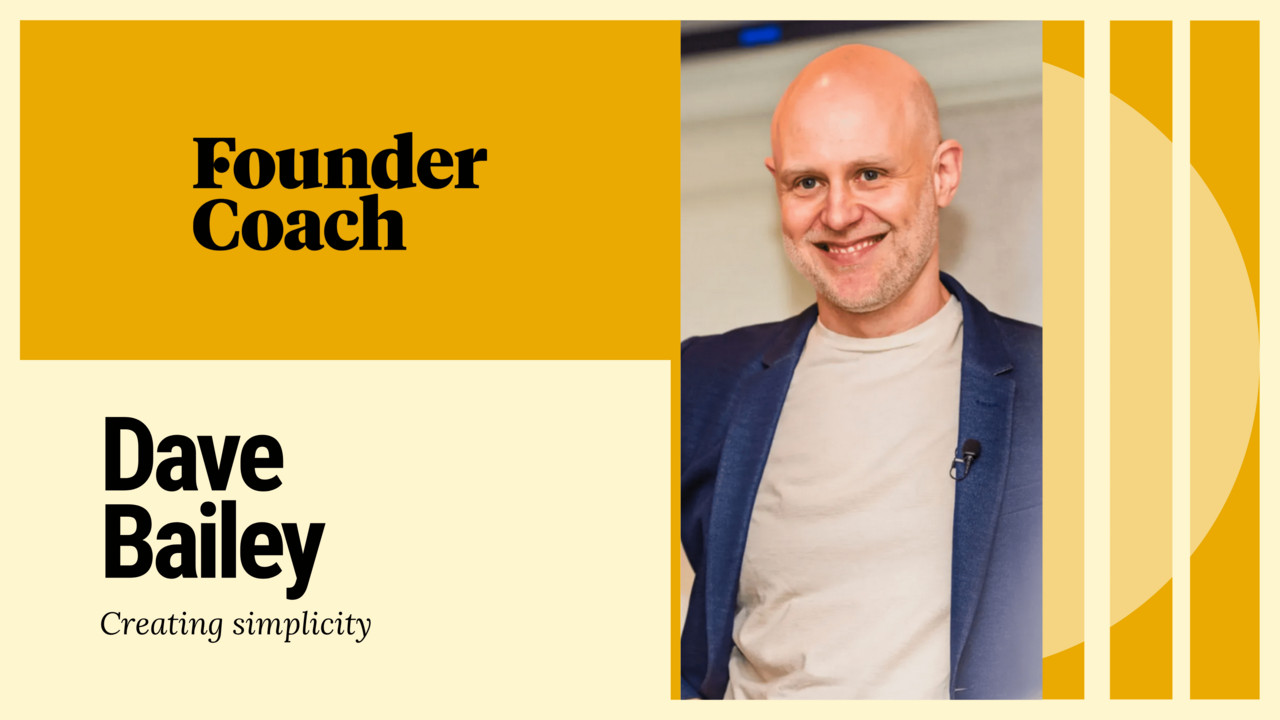
At the EUVC Summit & Awards Show 2026, Dave Bailey, CEO of Founder Coach, shared a two-step framework for making that decision: define one simplifying goal, then remove the plans and hidden priorities that do not serve it.
Dave coaches venture-backed CEOs from Seed to pre-IPO on leadership, decision-making, hiring and scaling. Before coaching, he co-founded and scaled multiple venture-backed companies, including Delivery Hero.
AI makes addition cheap. Complexity still compounds
When producing a feature requires less engineering time, the threshold for saying yes can fall. Roadmaps grow because more requests appear affordable in isolation.
“Creating a new feature is as simple as a voice command.”
The code may be cheap, but every feature still creates choices for customers, dependencies for product and engineering, support obligations and future maintenance. A series of reasonable additions can leave the company serving too many goals at once.
Dave argues that the complexity of a system can be measured by the number of goals it serves. Order those goals by impact and a small number will matter far more than the rest. The founder’s job is to identify the one with enough weight to simplify the surrounding decisions.
“Simple scales and complex fails.”
Bigger goals leave fewer viable paths
Dave calls the highest-impact objective the “simplifying goal”. Two changes make it more powerful: increasing the ambition and shortening the timeline.
His example is profit growth. There may be a thousand ways to improve profit by 10%, yet very few could produce a tenfold increase. Raising the target reveals which initiatives could materially affect the outcome and which only create activity.
“As the goal increases, the number of ways to achieve it decreases.”
A tighter deadline applies the same pressure. Shorten the available time and some later priorities move forward while several current priorities lose their importance. Sequencing becomes unavoidable.
The goal still needs to be credible enough to guide decisions. Its value comes from helping the team distinguish the few paths that could move the company forward from the many that merely sound useful.
Clean thinking starts from the goal
Once the simplifying goal is clear, Dave’s second step is to challenge the existing plan from first principles.
Teams often begin with the plan they already want, find reasons to defend it and add requirements until it appears to serve every objective. Dave recommends working backwards instead.
“In clean thinking, we start with the goal.”
This creates room to subtract. The team can assess a feature, market expansion or organisational commitment by asking whether it directly contributes to the simplifying goal within the chosen timeline.
The hardest plans to remove often serve what Dave calls a “hidden goal”: an objective that makes the plan emotionally difficult to release. Examples include completing something because it has already started, chasing an exciting idea, protecting a valuation or keeping friends in roles where they no longer add value.
Fear can sit beneath these hidden goals: fear of disappointing customers, teammates or investors, missing an opportunity or admitting that a plan has failed. Naming the underlying motive does not automatically invalidate the plan. It shows where the team needs to separate the company’s priority from the outcome someone wants to protect.
Raising the bar is an act of subtraction
Dave explains subtraction through the high jump. Moving the bar higher does not improve every athlete’s ability. It removes those who cannot meet the standard until only the viable contenders remain.
“Raising the bar is a subtraction tool.”
The same logic applies to a company. A more demanding goal and a harder deadline remove projects that cannot create enough impact. Clean thinking removes plans sustained by habit, justification or fear.
What remains is a smaller set of priorities with a clearer reason to exist.
Run the simplifying-goal review with your team
Use this review when several priorities are competing or a plan keeps growing without becoming more convincing.
Name one outcome. Write the single result that matters most over the next stage. Make it specific enough to guide trade-offs.
Raise the ambition. Increase the target and compare the available options again. Which paths could still move the result materially?
Compress the timeline. Set a nearer deadline. Which priorities move into the now list and which cease to matter?
Test every active plan. For each project, feature, market and leadership commitment, ask whether it directly supports the goal within that period.
Name the hidden goal. Ask what you would lose by stopping the plan. Look for sunk effort, novelty, valuation, loyalty, approval or fear.
Make subtraction visible. Record what will stop, where the resources will move and who will change the roadmap. A priority has only been removed when the operating plan reflects the decision.
A plan that cannot survive the goal, deadline and hidden-goal review is a candidate for removal. The burden of proof belongs with keeping it.
Complexity often arrives through reasonable decisions made one at a time. Removing it requires one outcome strong enough to govern trade-offs, a deadline that forces sequence and the honesty to identify what is keeping a weaker plan alive.
Choose the goal that matters, work backwards from it and subtract everything that cannot help the company reach it.
Want to apply these ideas to your own company? Book a discovery call with Dave Bailey to identify the scaling challenges holding your company back and explore how Founder Coach can help you address them.


